Edexcel International GCSE
Study Smarter, Every Day.
Master your lessons, understand the skills, practice past paper questions, and track your progress, all in one place.
No credit card required. Continue with Plus for $19.99/month after your trial if you choose. See what is included
- questions
- 19,400+
- questions
- past papers
- 250+
- past papers
- subjects
- 6+
- subjects
How it works
Pick a lesson. Revise. Practise.
Physics
Unit 1 · Forces and motion
Choose a lesson
- 1Movement and position
- 2Forces and shape
- 3Forces and movement
- 4Momentum
Watch
See it in 35 seconds
A real search
One Physics page. Ten exam questions.
A student uploaded the textbook pages on Forces and shape. Here are 10 of the questions it found, as a “Mostly easy” search shows them: 3 advanced and 7 easy, from different papers and years.
Q 5(a)(i)
EasyPaper 1P · May 2019
Hooke's law: springs, wires and rubber bands
Q 8(a)(i)
EasyPaper 1PR · May 2019
Types of force; Resultant force
Q 10(c)
AdvancedPaper 1PR · May 2019
Force, mass and acceleration (F = m × a)
Q 4(b)(i)
EasyPaper 2P · June 2019
Types of force and effects of forces
Q 4(c)
EasyPaper 2P · June 2019
Force, mass and acceleration (F = m × a)
Q 2(a)(ii)
EasyPaper 1P · January 2020
Types of force and effects of forces
Q 5(b)
AdvancedPaper 1PR · January 2020
Types of force; Resultant force; F = m × a
Q 4(b)(ii)
AdvancedPaper 2PR · January 2020
Force, mass and acceleration (F = m × a)
Q 12(b)(i)
EasyPaper 1PR · January 2020
Types of force and effects of forces
Q 4(a)(i)
EasyPaper 1P · May 2020
Hooke's law: springs, wires and rubber bands
| Paper | Date | Question | Topic matched | Level | Mark scheme |
|---|---|---|---|---|---|
| Paper 1P | May 2019 | 5(a)(i) | Hooke's law: springs, wires and rubber bands | Easy | Open ↗ |
| Paper 1PR | May 2019 | 8(a)(i) | Types of force; Resultant force | Easy | Open ↗ |
| Paper 1PR | May 2019 | 10(c) | Force, mass and acceleration (F = m × a) | Advanced | Open ↗ |
| Paper 2P | June 2019 | 4(b)(i) | Types of force and effects of forces | Easy | Open ↗ |
| Paper 2P | June 2019 | 4(c) | Force, mass and acceleration (F = m × a) | Easy | Open ↗ |
| Paper 1P | January 2020 | 2(a)(ii) | Types of force and effects of forces | Easy | Open ↗ |
| Paper 1PR | January 2020 | 5(b) | Types of force; Resultant force; F = m × a | Advanced | Open ↗ |
| Paper 2PR | January 2020 | 4(b)(ii) | Force, mass and acceleration (F = m × a) | Advanced | Open ↗ |
| Paper 1PR | January 2020 | 12(b)(i) | Types of force and effects of forces | Easy | Open ↗ |
| Paper 1P | May 2020 | 4(a)(i) | Hooke's law: springs, wires and rubber bands | Easy | Open ↗ |
Shaded rows only partly match a topic. The next search on the same page gives 10 different questions.
Why students use it
Revise smarter, not longer
Stop digging through papers
No more scrolling through years of PDFs to find the questions on one topic. It takes seconds.
Practise what you learned today
Questions match the page in front of you, not a whole chapter, so revision fits your lesson.
Pick your level
Choose easy, advanced or a mix. Every search brings questions you have not seen yet.
Check yourself like an examiner
Each question links to its mark scheme and examiner report, so you know exactly what scores.
Subjects available now
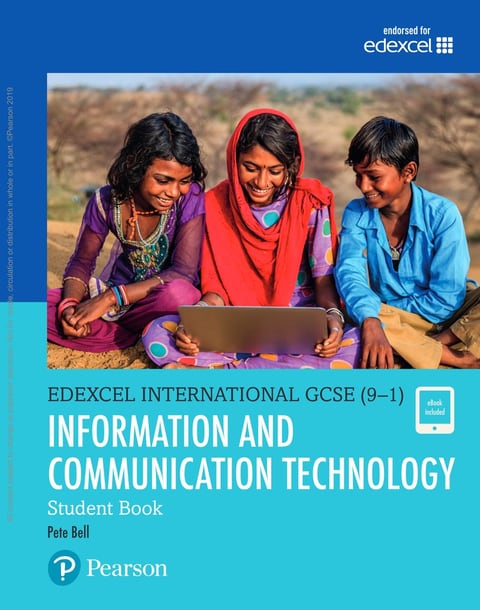
Information and Communication Technology (ICT) (9-1)
26 papers
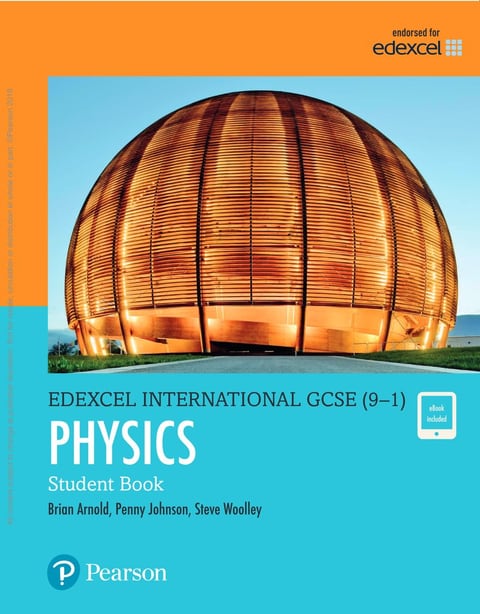
Physics (9-1)
48 papers
Try a free question: Momentum · Density and Pressure · Radioactivity and Half-life
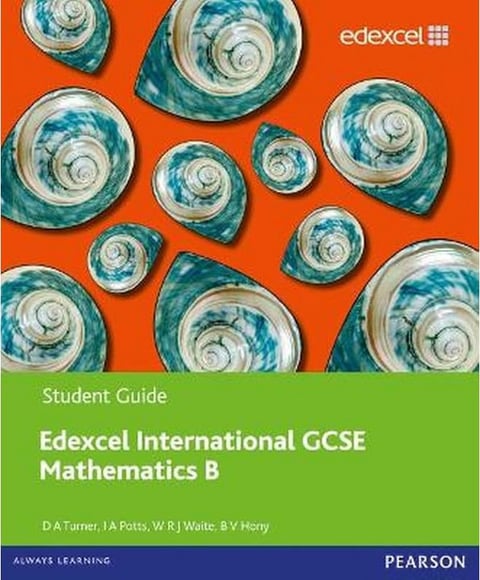
Mathematics (Specification B) (9-1)
56 papers

Arabic (First Language) (9-1)
24 papers
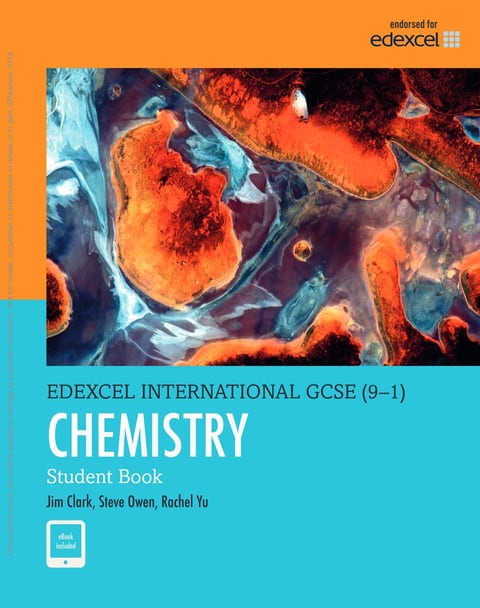
Chemistry (9-1)
48 papers
Free trial
The whole learning experience, free to start
Everything is open during your trial, with no credit card. A few minutes a day is enough to build the habit.
Complete lesson revision
Every lesson of your textbook, summarised with its key ideas and worked examples.
Skills and concepts
The skills each lesson teaches, the common mistakes, and how examiners give the marks.
Flash cards
Short cards for every lesson that come back just when you are about to forget them.
Past paper questions
Real exam questions on what you studied, 10 at a time, with mark schemes and examiner reports.
Study progress
See what you have mastered in each unit and what to work on next.
Daily study habits
A short plan for today, a daily streak and a weekly study goal to keep you going.
No credit card required, and nothing is charged when the trial ends. After the trial, lessons, flash cards and new past-paper searches need a paid Plus subscription ($19.99/month); your progress stays saved either way. Pricing and billing terms
FAQ
Questions
Do I need a card for the free trial?
No. Create an account with your email and you get a free trial of lessons, flash cards and past-paper questions (up to 2 new question searches a day). No card is asked for.
What happens when the trial ends?
Nothing is charged: the trial simply ends. Your progress, streaks and saved questions stay in your account. To open them again and keep studying, you can subscribe to Plus for $19.99/month.
Which exams does it cover?
Edexcel International GCSE. The questions are real past-paper questions, each with a link to its mark scheme and examiner report.
What counts as a page?
Each photo counts as one page, and a PDF counts its number of pages. A page or two of what you studied is usually all you need.
Will I see the same questions again?
No. Each search shows up to 10 questions you have not seen yet for that material.
How do I pay, and can I cancel?
By card (Visa or Mastercard) on a secure payment page. Your plan then renews automatically every month with the same card until you cancel. Cancel any time on your Subscription page: nothing more is charged, and you keep the plan until the end of the month you paid for.
What if I use up my searches or pages?
New searches have a daily limit that comes back the next day, and a monthly one that comes back each month. Your lessons, flash cards and the questions you already found always stay open while your trial or plan runs.
A few minutes a day, all year
Start with the lesson you are studying this week. No credit card required.
Contact us
Missing a subject? An idea? Tell us.
Ask for a subject or papers we don't have yet, suggest an improvement, or report a problem.